INDIA’S MULTI-FRONT COUNTERSTRATEGY (2025–26)
Economy, Diplomacy, Payments, Tech & Migration — One Coherent Design
INDIAUSA INDIA
12/28/20253 min read


India’s response to Trump 2.0 is not reactive.
It is layered:
Strengthen domestic demand
Reduce external financial leverage
Expand Global South diplomacy
Block tech pressure without confrontation
Absorb migration shocks
Let’s break this one by one.
🟢 1. GST REDUCTION → DOMESTIC CONSUMPTION → GDP INSULATION
What India did
Recent GST rationalisation / rate reductions focused on:
FMCG
Consumer durables
Construction-linked inputs
Services tied to middle-class spending
Why this matters geopolitically
Trump’s pressure toolkit relies on:
External shocks hurting India’s export earnings.
India’s counter:
Make domestic consumption the growth engine.
Impact chain (very important)
GST ↓ → Prices ↓ → Consumption ↑ → Manufacturing ↑ → Jobs ↑ → GDP stability
This reduces India’s vulnerability to:
Tariffs
Export slowdowns
External demand shocks
➡️ This is economic insulation, not stimulus populism.
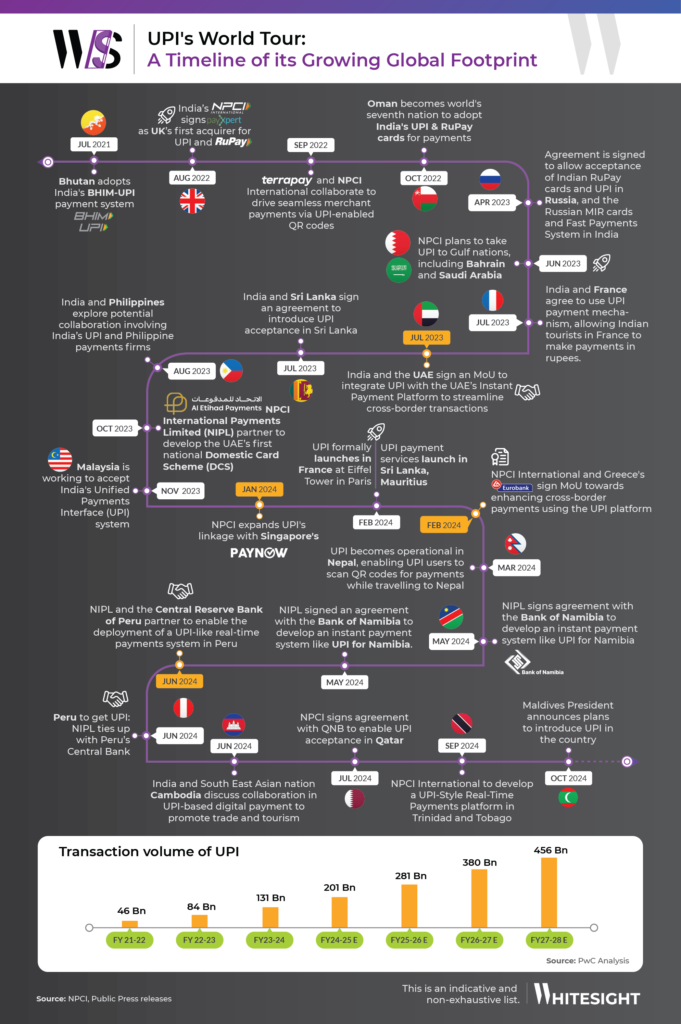
🔵 2. RUPAY & UPI VS VISA / MASTERCARD — THE SILENT WAR
Why this REALLY matters
Visa & Mastercard are:
Deeply embedded in US financial influence
Powerful lobbying entities in Washington
Stakeholders in Trump’s economic ecosystem
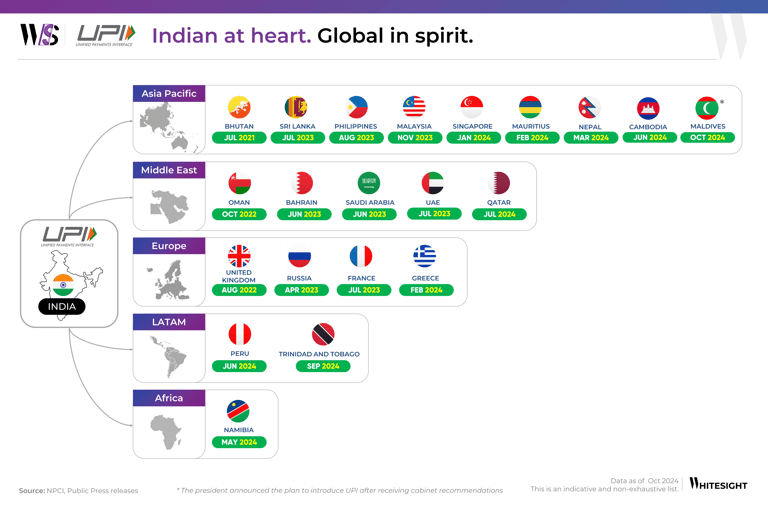
India expanding RuPay + UPI globally:
Reduces transaction outflows
Weakens Western payment choke points
Threatens US card-network dominance
India’s clever move
India never framed this as anti-US.
Instead:
“Digital public infrastructure”
“Financial inclusion”
“South–South cooperation”
But make no mistake:
Every RuPay swipe is one less dollar toll paid to US networks.
➡️ This quietly irritates US financial lobbies, which do influence Trump.
🟡 3. AFRICA & MIDDLE EAST VISITS: JORDAN, ETHIOPIA & BEYOND
Why these visits matter
Jordan & Ethiopia are not random.
They sit at:
Energy transit routes
Red Sea / Horn of Africa choke points
Arab–African diplomatic crossroads
Benefits to India
Energy security diversification
Diplomatic support on Israel–Palestine balance
African Union goodwill
Global South leadership optics
Strategic motive
While Trump focuses on transactional bilateralism,
India builds network diplomacy.
➡️ Fewer veto points against India in global forums.
🟣 4. TESLA & STARLINK — WHY INDIA SAID “NOT YET”
US expectation
Tesla manufacturing access
Starlink satellite clearance
Preferential regulatory treatment
India’s position
Manufacturing must be local, not assembly-only
Data sovereignty is non-negotiable
Spectrum = national asset
India is not anti-Tesla or anti-Starlink.
India is anti-regulatory bypass.
Why this irritates Trump
US tech giants expect fast-track access
India treats them like any other firm
➡️ Equal rules feel like hostility to privilege.
🔴 5. H1B, MIGRATION THREATS & INDIA’S RESPONSE
Trump’s threat
Curtail H1B visas
Tighten work permits
Push “hire American” optics
India’s reaction (not loud, but strategic)
Boost domestic tech demand
Encourage GCC, EU, ASEAN tech mobility
Strengthen India-based global capability centres (GCCs)
The hidden truth
US tech companies depend heavily on Indian talent.
H1B cuts:
Hurt Indian professionals
Hurt US innovation equally
India knows this — so it waits, not panics.
🧠 HOW ALL THIS CONNECTS (IMPORTANT)
This is one integrated strategy:
GST reform cushions tariff shocks
Domestic consumption offsets export pressure
RuPay/UPI reduces dollar choke points
Africa–Middle East diplomacy widens support base
Tech regulation protects sovereignty
Migration diversification absorbs H1B risk
Nothing here is accidental.
🔶 FINAL BIG PICTURE
Trump’s tools are external pressure levers.
India’s tools are internal shock absorbers.
Trump pushes faster.
India builds deeper.
That’s why:
India doesn’t retaliate
India doesn’t overreact
India doesn’t explain itself loudly
Because India is buying time — and expanding options.